$20.00
1
Your cart is empty
Subtotal
We will hold your cart for 15:00.
Buy more, save more
Coupon discount
Shipping
Add 2 more items to unlock your free mystery gift.
Complimentary item.
Total
$20.00
We will hold your cart for 15:00.
Walk into any hardware store and you’ll see walls of shiny tools at prices that seem too good to be true. A $20 drill, a $15 socket set, a $30 tire inflator. They all look like they’ll get the job done. But when the drill burns out after a dozen holes, the socket strips your bolt, and the inflator dies in the middle of a flat tire, you realize: you paid twice—once at the register, and once in frustration, wasted time, and replacement costs.
Here’s the thing: cheap tools aren’t always a bargain, and expensive tools aren’t always worth it. The sweet spot depends on how often you use the tool, what you’re working on, and how much a failure would cost you—in money or safety.
That’s why we put together this no-nonsense guide. Whether you’re a weekend warrior, a car owner, a cyclist, or an off-grid builder, we’ll break down when to save on value tools like BLACK+DECKER and Fanttik, and when to invest in premium gear from Abbey Bike Tools and Victron Energy.
You’ll leave with a clear plan for your next purchase—and the confidence that you’re getting the most bang for your buck.
Let’s start with a simple math lesson: price per use. A $10 tool that works once and breaks is $10 per use. A $50 tool that lasts 50 uses is $1 per use. Over time, the premium tool often beats the bargain bin.
But it’s not just about lifespan. Cheap tools can damage what you’re working on—stripped bolts, ruined bike frames, unfinished DIY projects. They can also be dangerous; a faulty battery or a flimsy charging cable is a fire risk.
So when you see a deal that seems too good to be true, ask: What’s the cost if this fails? If the answer is “just a few bucks,” go ahead and save. If the answer is “my project, my safety, or my time,” then it’s time to invest.
For most DIY tasks around the house or car, a mid-priced, reliable tool is the smartest buy. BLACK+DECKER has built a reputation for accessible, dependable tools for homeowners. Their 20V MAX platform is a good example of value: multiple tools share the same battery, so you’re not locking yourself into a dead-end system.
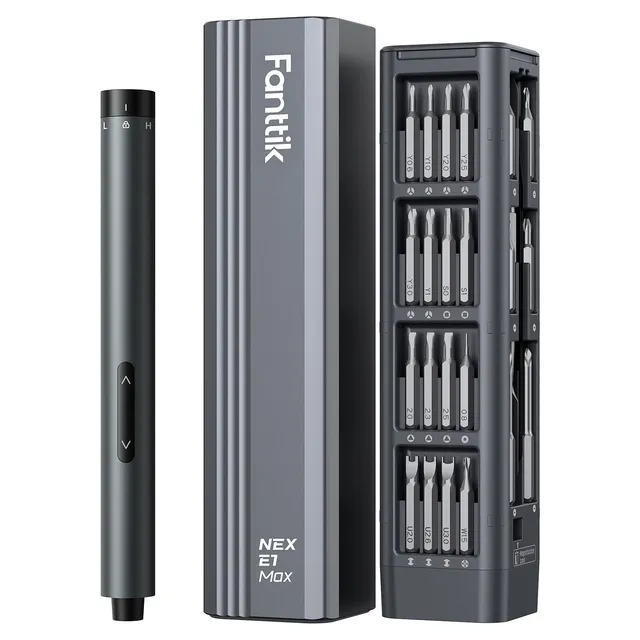
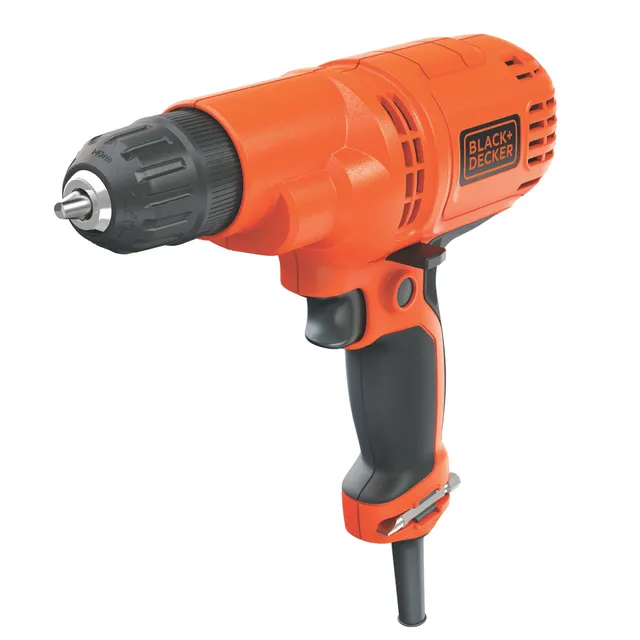
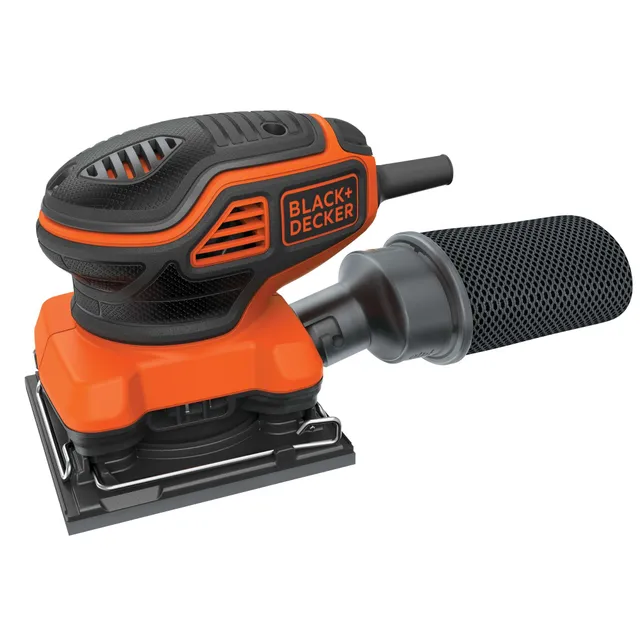
Take the BLACK+DECKER 5.5-Amp 3/8-inch Corded Drill/Driver—a modest price and enough power for shelves, furniture assembly, and light drilling. It won’t survive a construction site, but it’s perfect for the occasional project. Similarly, the 1/4 Sheet Orbital Sander is a workhorse for wood finishing, and the Fanttik E1 Max Electric Screwdriver is a precision kit that makes electronics repair a breeze without breaking the bank.
These tools are the “sweet spot” of value: affordable, backed by recognizable brands, and good enough for what they’re designed to do. When to choose them: if you’re a homeowner, beginner, or someone who needs a tool rarely or periodically. The key is to match the tool’s capability to the task, not to overbuy (or underbuy).
Now let’s flip the script. There are some jobs where buying cheap is actually the most expensive mistake you can make.
Consider a bike mechanic or an off-grid installer. These folks rely on their tools daily. A stripped bottom bracket socket can “mushroom” and get stuck in the frame. A failed solar charge controller can fry your entire battery bank. A battery monitor that gives you wrong data can leave you stranded in the middle of nowhere.
That’s where brands like Abbey Bike Tools and Victron Energy come in. Abbey machines their sockets and drifts to exact tolerances, using durable aluminum and hardened steel. Victron’s electronics are known for their engineering depth, Bluetooth reliability, and system integration. These aren’t impulse buys; they’re investments in precision, safety, and longevity.
When should you go premium? Use these litmus tests:
Let’s get specific. Here’s a side-by-side look at when to choose value and when to go premium—with real product examples.
A corded drill for $60 is a classic value buy. It has no battery to degrade, and for weekend use, it’s all you need. But if you’re driving thousands of screws for a deck, a cordless brushless model with a good battery system saves you time and energy. For most hobbyists, the BLACK+DECKER 5.5-Amp drill is a smart starting point. It’s a no-nonsense tool that won’t break the bank. Verdict: Value wins for intermittent use; premium only if you’re working daily.
When you’re opening a laptop, the right screwdriver is everything. Stripped screws are a nightmare. A $10 chintzy screwdriver set can cam out and ruin a screw head, turning a 5-minute job into a costly repair. The Fanttik E1 Max is a value-priced precision kit that includes 50 magnetic bits, a lightweight body, and a pop-up storage case. It’s not premium, but it’s well-reviewed (thousands of ratings) and perfectly suited for phone and laptop duty. Verdict: Value is good, but don’t go rock-bottom; a decent kit like the E1 Max is the right call.
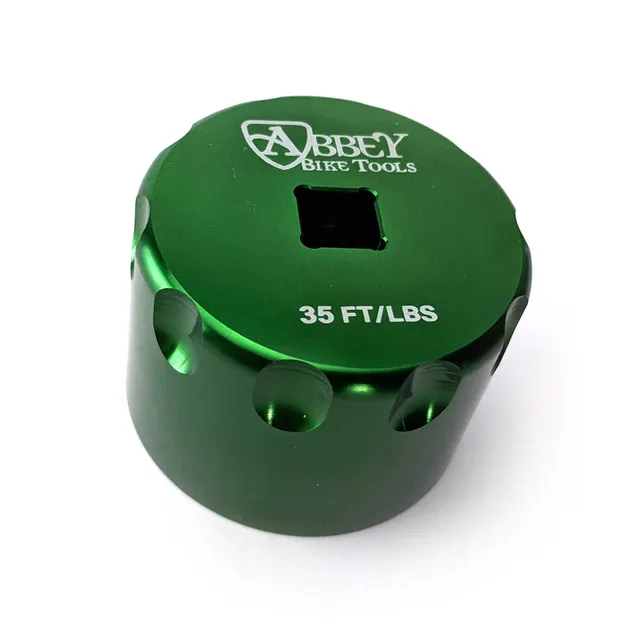
Now let’s get into the weeds. Shimano external bottom brackets use a splined interface. Cheap sockets are often made of softer steel or have imprecise tolerances. You might slip, round off a cup, and then face a multi-hour extraction job. Abbey Bike Tools’ Bottom Bracket Socket is machined from aluminum, anodized, and precision-fit. It’s $44—about $20 more than a generic socket. But it fits perfectly, won’t mar your frame, and will last decades. A stripped cup is much more expensive. Verdict: Premium all the way.
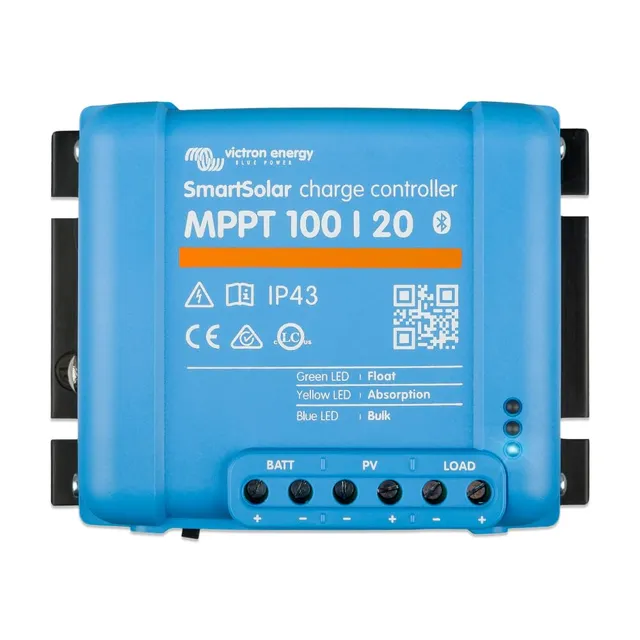
When you’re building an off-grid setup, the charge controller is your system’s brain. A cheap PWM controller might be tempting at $30, but it can’t efficiently harvest solar power and may even overcharge your batteries. Victron’s SmartSolar MPPT 100/20 is a premium product: it’s $1609, but it’s Bluetooth-enabled, highly efficient, and designed to integrate with Victron’s monitoring ecosystem. For a tiny cabin, a $100 MPPT might do, but if you’re powering an RV or a boat, you want reliability. One failed controller could kill a $1000 battery bank. Verdict: Premium for critical systems, value only for very small setups.
You might be thinking, “I want quality, but I don’t want to pay premium prices for everything.” That’s the right attitude. The smartest tool collections mix value and premium.
Here’s a rule of thumb: Premium for things that come into contact with your most expensive possessions, or that protect your safety. Value for things that do simple tasks.
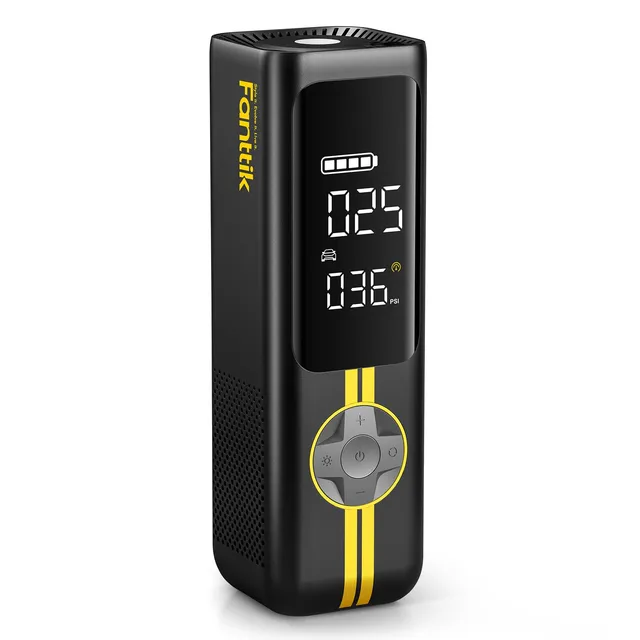
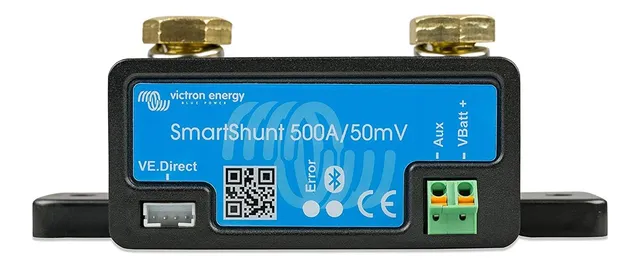
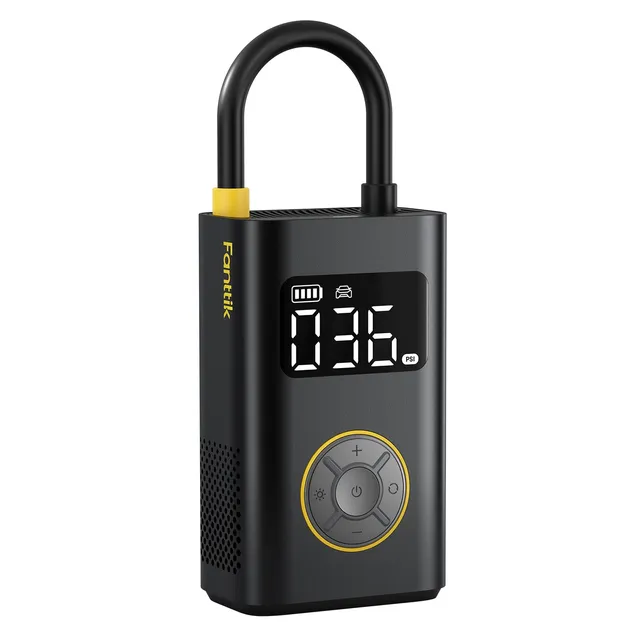
For your car, a value tire inflator from Fanttik like the X8 APEX or X9 Pro is a wise buy—they’re compact, reliable, and far better than a breakdown on the road. But for your electrical system in an RV, a Victron SmartShunt is a premium upgrade that could save your battery bank.
For your bike, a Fanttik rotary tool for engraving might be fun, but when it comes to bearings and bottom brackets, go with Abbey. The drifts are precisely sized to avoid damaging expensive bearings.
The next time you look at a tool’s price tag, stop and do the math. Ask yourself: How often will I use this? What happens if it fails?
For occasional DIY, value tools like BLACK+DECKER and Fanttik are your friends. They’re affordable, they work, and they have the support of recognized brands.
For the things you depend on—literally—like bike mechanics, electrical systems, or any job where a failure is costly, go premium with Abbey Bike Tools or Victron Energy. It’s not about showing off; it’s about sleeping well at night.
We’ve made it easy: browse our curated selection at Iron Bridge Tools. You’ll find value picks and premium tools side by side, all chosen by people who know tools.
Build your toolkit smarter today.